
Tonsil Stones Treatment
Tonsil stones, known medically as tonsilloliths, are small whitish or yellowish lumps that form in the natural crevices on the surface of the tonsils. They are made up of trapped food debris, dead cells and bacteria that gradually calcify and harden.
Although they are usually harmless, tonsil stones can be surprisingly troublesome, causing persistent bad breath, an unpleasant taste and the feeling that something is stuck in the throat.
Many people manage tonsil stones themselves, but when they keep coming back or cause ongoing symptoms, a specialist assessment can identify the underlying cause and the best long-term solution.
If you find yourself needing repeated courses of antibiotics, taking time off work several times a year, or simply never feeling that your throat is fully well, it is worth having a specialist assessment to understand what is happening and what can be done about it.
Information on tonsillectomy to treat tonsil problems can be found here.
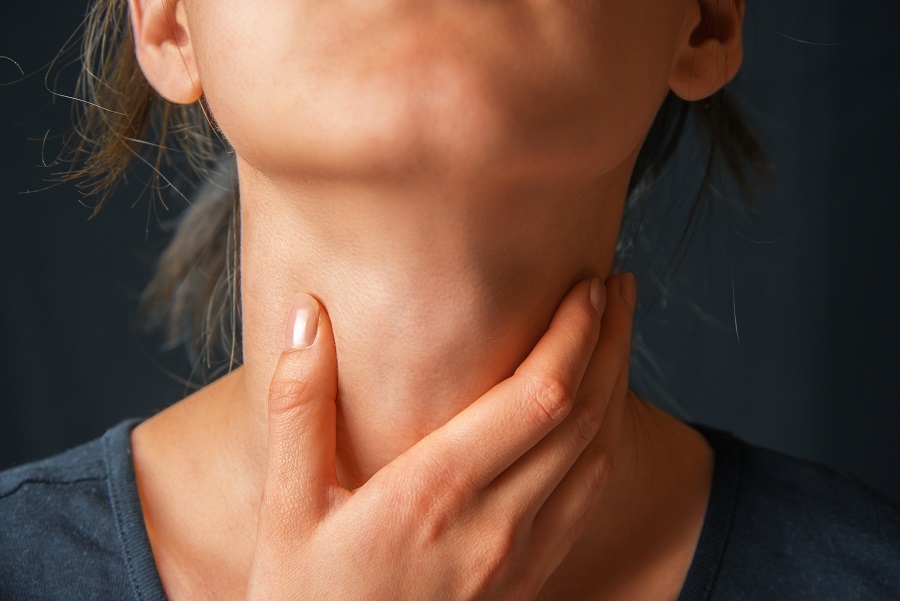
Symptoms of tonsil stones
- Persistent bad breath (halitosis) that does not improve with brushing or mouthwash
- A constant feeling of something stuck at the back of the throat
- Visible white or yellow spots or lumps on the tonsils
- An unpleasant taste in the mouth
- Mild sore throat or discomfort on swallowing
- Coughing up small, hard, foul-smelling lumps
Some tonsil stones cause no symptoms at all and are only noticed by chance. Others are large enough to be genuinely bothersome.
What causes tonsil stones?
Tonsil stones form when debris becomes trapped in the deep grooves (crypts) of the tonsils. People with deeper crypts, larger tonsils or a history of repeated tonsillitis are more prone to them. Poor mouth hydration and certain dietary factors can also play a part.
- Seven or more well-documented, clinically significant episodes in the preceding year, or
- Five or more such episodes in each of the preceding two years, or
- Three or more such episodes in each of the preceding three years.
These numbers are a guide rather than a strict rule. I take into account how severe your episodes are, how much time you are losing, and how the infections affect your daily life when we discuss whether surgery is right for you.
How I assess tonsil stones
At your consultation I will examine your throat and tonsils, and where appropriate use a thin flexible camera to look more closely at the tonsils and surrounding throat. This helps me confirm that your symptoms are due to tonsil stones rather than another cause of bad breath or a foreign-body sensation.
Treatment options
Treatment depends on how large and how troublesome your tonsil stones are:
- Self-care and prevention – good oral hygiene, staying well hydrated, gargling with salt water, and gentle removal of visible stones can keep mild cases under control.
- Professional removal – I can remove persistent or hard-to-reach stones in clinic.
- Laser or coblation tonsil cryptolysis – smoothing the surface of the tonsils to flatten the crypts so that debris can no longer collect, which can be very effective for recurrent stones while preserving the tonsils.
- Tonsillectomy – removing the tonsils altogether is the definitive solution for severe, persistent tonsil stones, particularly if they occur alongside recurrent infections. I offer modern intracapsular coblation tonsillectomy for a more comfortable recovery.
I will always start with the least invasive option that is likely to resolve your symptoms, and only recommend surgery when it is genuinely the best choice for you.
Reviews & Testimonials
FAQs
Are tonsil stones dangerous?
Tonsil stones are almost always harmless. Their main impact is on quality of life through bad breath, discomfort and an unpleasant taste. They do not usually signal anything serious, but a specialist assessment is sensible if they are persistent or troublesome, to rule out other causes and discuss treatment.
Will the tonsil stones come back after treatment?
With self-care alone, stones can recur because the crypts remain. Treatments that smooth the tonsil surface (cryptolysis) or remove the tonsils entirely are much more likely to provide a lasting solution. I will recommend the option most appropriate to how often your stones return.
Do tonsil stones cause bad breath?
Yes. Tonsil stones are a common and frequently overlooked cause of persistent bad breath, because they harbour odour-producing bacteria. Treating the stones often resolves the bad breath when other causes, such as dental or sinus problems, have been excluded.