Tonsils should not grow back after a tonsillectomy because the tonsils have been fully removed. The only instance may be if there was a partial tonsillectomy because some tonsil tissue is deliberately left behind. Children who have had this type of surgery can develop some regrowth over time.
Key Takeaways
- Complete removal of tonsils makes significant regrowth unlikely.
- Partial tonsillectomy leaves tissue behind, so regrowth is possible, more so amongst children
- A sore throat after surgery does not automatically mean the tonsils have returned.
Can tonsils really grow back?
It depends on what type of operation you had. During a complete tonsillectomy, the tonsils are removed rather than simply made smaller.
During a partial tonsillectomy, some of the tonsillar tissue remains – and this means the remaining tissue can sometimes become larger again.
A study of children who had partial tonsillectomy found regrowth in 7 out of 42 patients, or 16.6%. The difference between studies shows that the risk varies depending on the surgical technique, age and other factors.
Why can tonsils grow back?
Tonsil tissue can remain after a partial operation because the aim is not always to remove every part of the tonsil.
For example, some children have a partial procedure to reduce enlarged tonsils that are affecting breathing or sleep. The surgeon removes enough tissue to improve the problem while leaving some tissue behind.
That remaining tissue can sometimes increase in size as the child grows. The risk appears to be greater in younger children. Cambridge University Hospitals notes that tonsillar tissue regrowth can occur after certain types of tonsil surgery and is more commonly seen in very young children.
What should I do if my tonsils grow back?
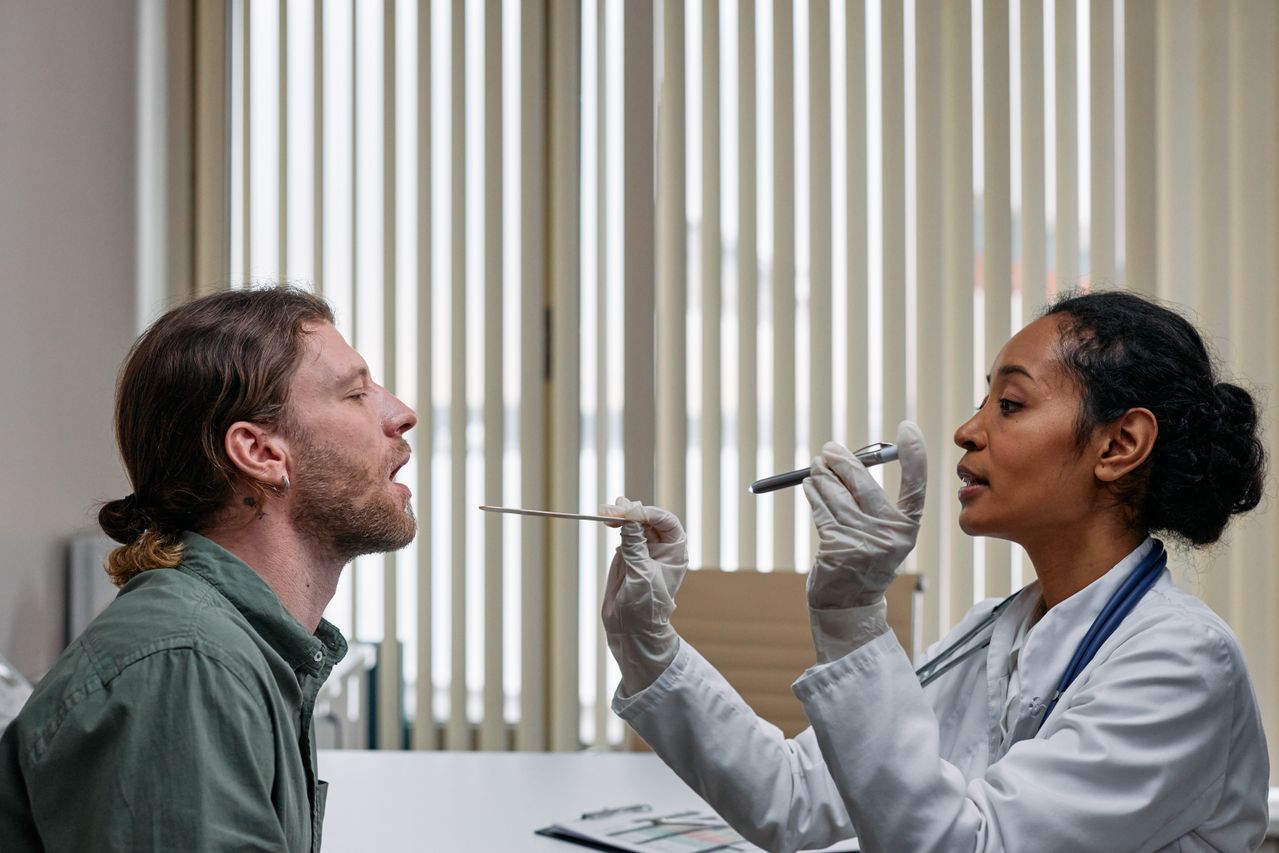
If you think your tonsils have grown back after a tonsillectomy, speak to your GP or an ENT specialist for an examination. True regrowth is uncommon after a complete tonsillectomy, but some tonsil tissue can remain and become enlarged, particularly after a partial tonsillectomy.
Your doctor can check whether the tissue is actually tonsil regrowth or another cause of your symptoms and advise whether any treatment is needed.
Can I get a sore throat again after a tonsillectomy?
Yes, you can still get a sore throat after a tonsillectomy. Removing the tonsils reduces the risk of tonsillitis, but it does not prevent all sore throats because they can be caused by colds, flu, other infections, allergies, acid reflux or throat irritation.
You may also experience a sore throat if a virus or bacteria affects other areas of the throat. If your sore throat is severe, keeps coming back, lasts longer than a week or is accompanied by difficulty swallowing or breathing, speak to your GP, ENT specialist or Throat specialist.
See also: What should I do if I keep getting tonsollitiis?
Does a sore throat mean my tonsils have grown back?
No. A sore throat after tonsillectomy does not necessarily mean the tonsils have returned.
People can still have sore throats, viral infections, throat irritation and other conditions after having their tonsils removed. The Oxford University Hospitals guidance explains that children can still develop a sore throat after tonsil removal, although it will not be tonsillitis affecting the removed tonsils.
Reflux, colds, allergies and other infections can also cause throat symptoms.
If you can see tissue at the back of your throat, it may not be regenerated tonsil tissue. Normal throat structures can sometimes look unfamiliar after surgery.
Can tonsil regrowth cause problems again?
It can, although many people who have some remaining tissue do not develop problems.
If enough tissue grows back, symptoms such as breathing difficulties, snoring or repeated throat problems may return, depending on why the original operation was performed.
Research has found that some children with regrowth after partial tonsillectomy also experienced a return of obstructive symptoms.
If symptoms return, an ENT specialist can examine the throat and decide whether the tissue is genuinely enlarged and whether any further treatment is needed.
When should I see a doctor?
Speak to your GP if you develop persistent throat problems after a tonsillectomy, particularly if you have difficulty swallowing, breathing problems, significant snoring or repeated infections.
Your GP may refer you to an ENT specialist if further assessment is needed.
Overall, complete tonsillectomy normally means the tonsils do not simply grow back. When people talk about tonsils growing back, they are often referring to remaining tissue after partial surgery.